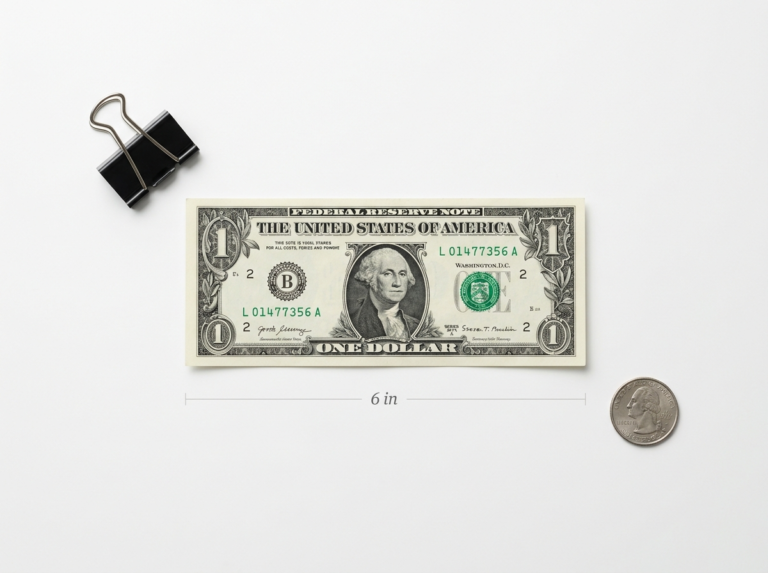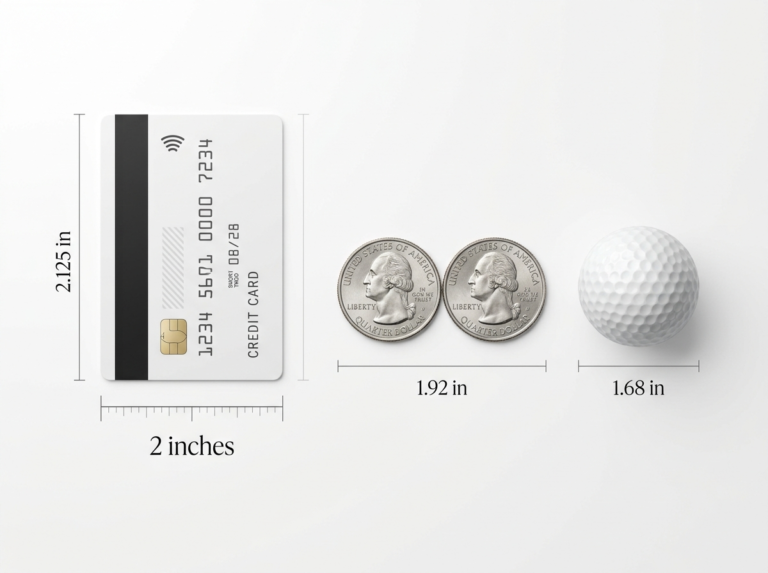
How Big Is 5 Inches? 10 Common Things that are 5 Inches Long
Five inches sounds simple on paper, but most people don’t naturally see what that measurement looks like.
5 inches equals 12.7 centimeters, 127 millimeters, 0.417 feet, or 0.127 meters.
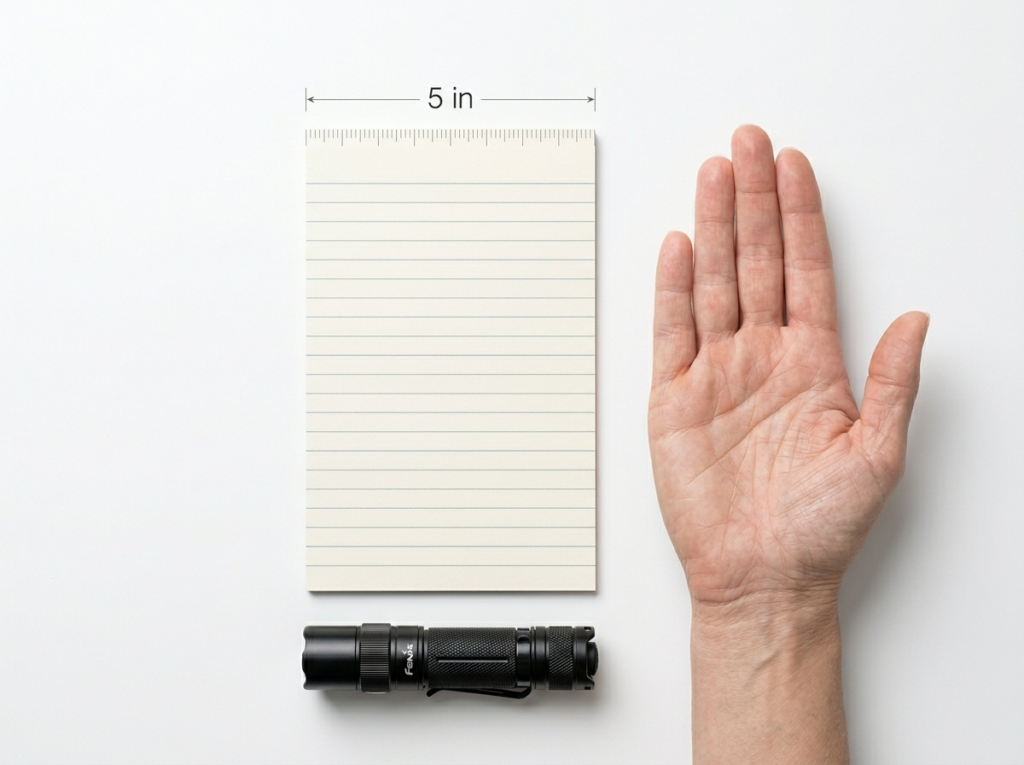
For a quick mental picture: imagine something about the length of a standard smartphone’s shorter side, a little longer than a credit card, or roughly the width of an adult hand across the palm.
That’s the difference between understanding the number and actually visualizing it.
If you’ve searched for how big is 5 inches, what 5 inches look like, or what object is 5 inches long, this page is built to make that measurement instantly understandable.
Quick Visual Snapshot
| Measurement Unit | 5 Inches Equivalent |
|---|---|
| Inches | 5 in |
| Centimeters | 12.7 cm |
| Millimeters | 127 mm |
| Feet | 0.417 ft |
| Meters | 0.127 m |
Visual shortcut: 5 inches is about the span of an average adult palm or the length of many compact handheld objects.
How Long Is 5 Inches?
5 inches is just under half a foot and equals 12.7 centimeters. In practical terms, it’s long enough to be clearly substantial in your hand, but still compact enough to fit in a pocket, drawer, or small storage compartment.
That makes it a familiar measurement for everyday items like grooming tools, kitchen utensils, and portable electronics.
What Does 5 Inches Look Like?
5 inches looks like a small but noticeable handheld length. Picture a toothbrush handle, a compact flashlight, or the width of your hand across the knuckles. It’s larger than tiny desk accessories but much smaller than a notebook or water bottle.
This is why 5 inches often feels “bigger than expected” when imagined incorrectly.
Fast Visual Benchmarks for 5 Inches
Need a quick mental anchor? These help immediately:
- Slightly longer than a standard credit card (3.37 inches)
- Roughly the width of an average adult hand
- Similar to many compact kitchen spatulas
- About the length of a small flashlight
- Shorter than most toothbrushes
- Roughly half the width of a standard sheet of printer paper (8.5 inches wide)
- Close to the diameter of a small dessert plate
These aren’t exact engineering references—they’re visual anchors designed to help your brain estimate scale quickly.
Everyday Objects That Help Visualize 5 Inches
Some comparisons work better than others because familiarity matters more than precision.
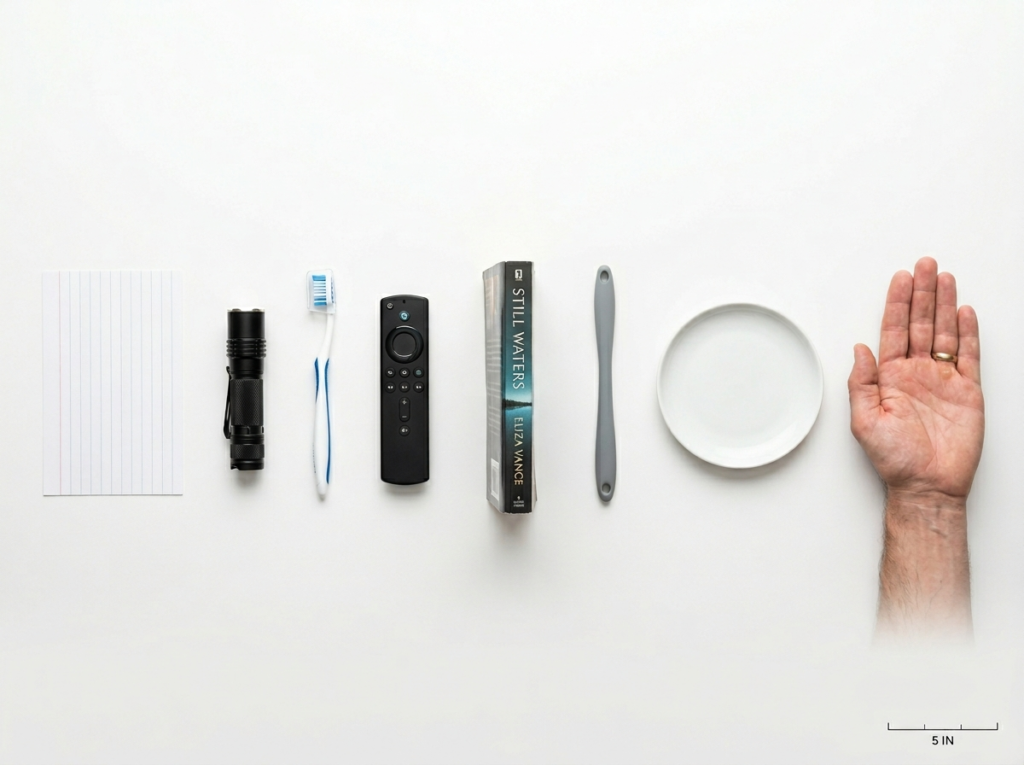
1. Average Adult Hand Width
A typical adult hand across the palm is often close to 4–5 inches, though this varies.
This makes your hand one of the fastest ways to estimate 5 inches visually. If you spread your fingers slightly and look across the palm area, you’re already close to the measurement.
If you’ve searched how big is 5 inches compared to a hand, this is usually the most intuitive answer.
2. A Standard Index Card (Short Side)
A common index card measures 5 x 8 inches.
That means the shorter edge is exactly 5 inches, making this one of the cleanest real-world comparisons available.
If you have one in a drawer, no imagination required.
3. Compact Flashlight
Many pocket flashlights land in the 4.5–5.5 inch range.
That makes them excellent for visualizing 5 inches length, especially because their rigid shape makes measurement easier to perceive than soft or irregular objects.
If you’ve ever held a small emergency flashlight, you already know roughly what 5 inches feels like.
4. Small Kitchen Spatula Handle
Some compact silicone spatulas used for jars or baking have handles around this size.
This helps because kitchen tools are familiar tactile objects—you know how they sit in your hand.
Five inches feels “usefully sized,” not tiny.
5. Toothbrush Handle (Shorter Models)
Not every toothbrush fits this comparison, but some compact travel toothbrushes are close.
A full-size toothbrush is usually longer, which helps with perspective: 5 inches is shorter than a typical toothbrush, but not dramatically so.
That makes this a helpful approximate benchmark.
6. Width of a Paperback Novel
Many smaller paperback books are around 5 inches wide.
This comparison works especially well because rectangular objects make size easier to judge visually.
Imagine holding a paperback upright—the narrow side is often close to your target.
7. TV Remote Width or Length (Smaller Models)
Not all remotes match, but some compact streaming remotes fall near this range.
This helps because remote controls are highly familiar, easy-to-grasp objects with a defined shape.
It gives readers a realistic “living room” comparison instead of abstract math.
8. A Small Dessert Plate Diameter
Some dessert or side plates measure around 5–6 inches across.
This is useful when thinking about how big is 5 inches in circumference versus diameter—important distinction.
A 5-inch diameter means straight across the plate, not around the edge.
9. Smartphone Width (Larger Phones)
Many modern smartphones are narrower than 5 inches, but diagonally or across certain dimensions, the comparison becomes relatable.
This works less as an exact benchmark and more as scale intuition.
It tells you 5 inches is comfortably handheld.
10. A 5-Inch Cake
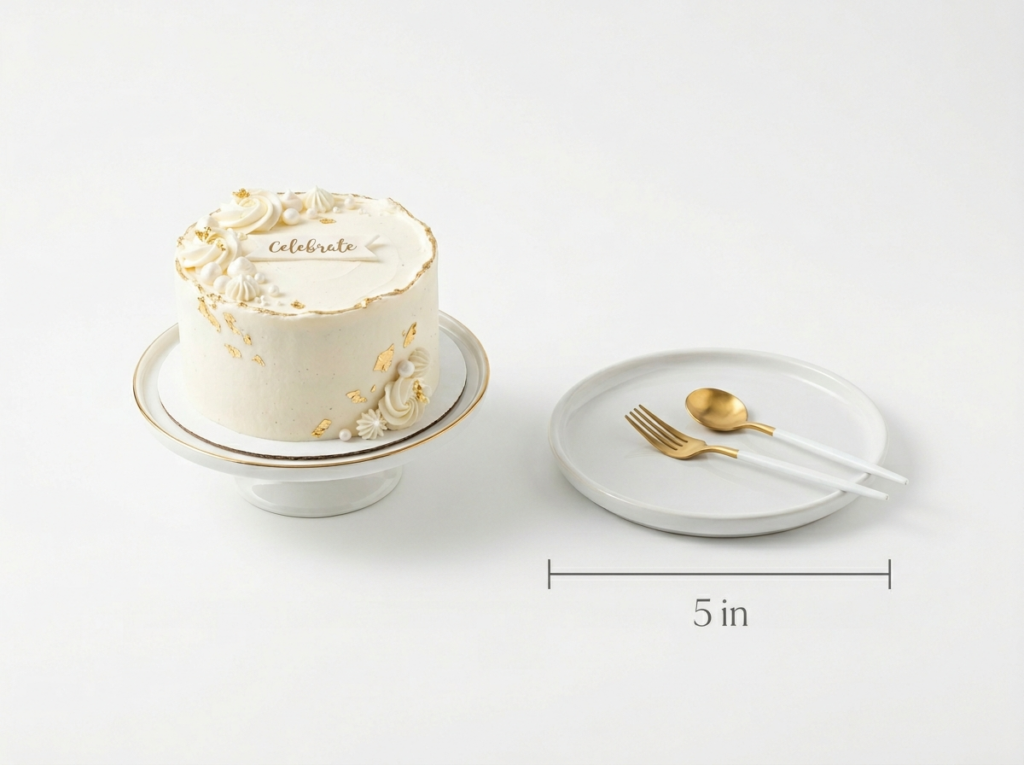
If you’ve searched how big is 5 inches cake, this usually means diameter.
A 5-inch cake is relatively small—good for a few servings, depending on height and slicing style.
Visually, think personal celebration cake rather than party centerpiece.
Quick Comparison Table
| Object | Approximate Size | How 5 Inches Compares |
|---|---|---|
| Index card short side | 5 inches | Exact match |
| Adult palm width | 4–5 inches | Very close |
| Compact flashlight | 4.5–5.5 inches | Near match |
| Travel toothbrush | ~5–6 inches | Slightly shorter |
| Paperback width | ~5 inches | Close match |
| Small dessert plate | ~5–6 inches diameter | Similar scale |
| Compact remote | ~5 inches | Often similar |
How Big Is 5 Inches on a Ruler?
On a standard ruler, 5 inches lands exactly at the 5 mark, halfway between 4 and 6 inches.
If you’re visualizing it:
- Start at zero
- Count forward:
- 1 inch
- 2 inches
- 3 inches
- 4 inches
- 5 inches
That measured span from zero to the 5-inch line is your reference.
A common mistake is starting measurement from the ruler edge instead of the actual zero line.
5 Inches Compared to Nearby Sizes
Numbers become easier to understand when contrasted with neighboring measurements.
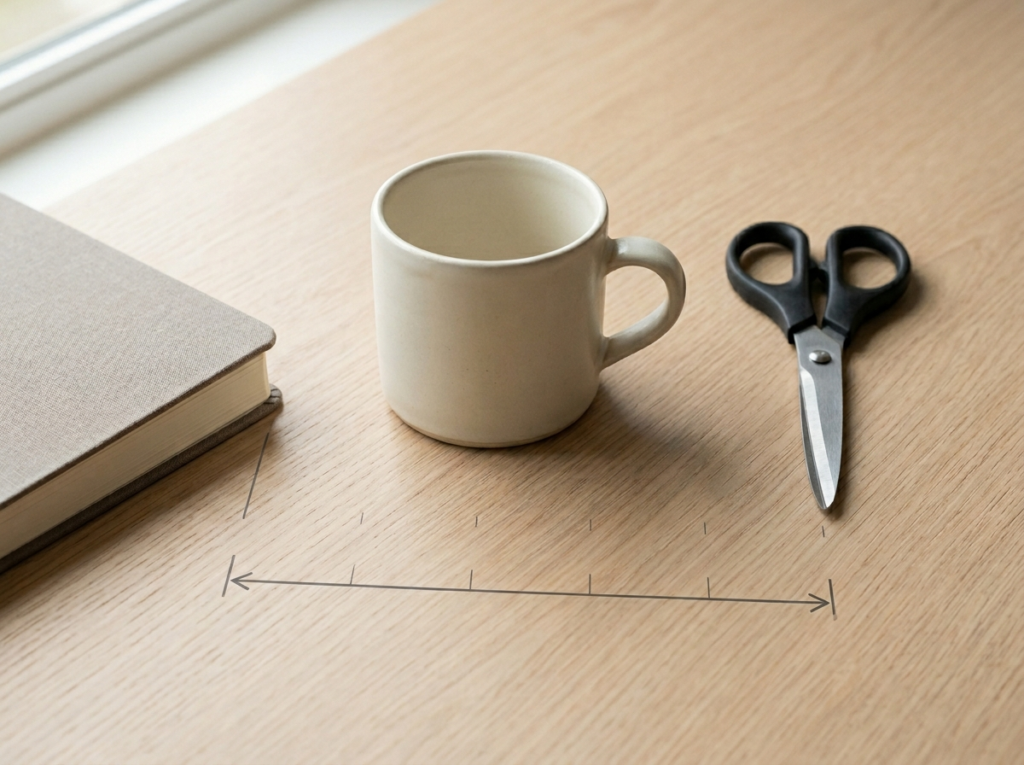
4 Inches vs 5 Inches
One inch doesn’t sound dramatic, but visually it matters.
5 inches is 25% longer than 4 inches.
That’s enough to shift an object from “small” to “noticeably handheld.”
Think compact wallet versus small tool handle.
5 Inches vs 6 Inches
Six inches often feels meaningfully longer in practice.
Compared side by side:
- 5 inches feels compact
- 6 inches feels more substantial
That extra inch changes visual balance more than many people expect.
5 Inches vs 7 Inches
At 7 inches, you’re approaching medium household object territory.
A medium banana is often around 7–8 inches, making it a rough comparison.
That means 5 inches feels distinctly shorter—not “almost the same.”
Real-World Context: Where 5 Inches Actually Matters
Measurement questions usually come from practical situations.
Tattoos
If you’re wondering how big is 5 inches tattoo, that’s a noticeable medium-size design.
Examples:
- Forearm script
- Medium floral piece
- Vertical symbolic design
- Small illustrated character
Five inches won’t disappear visually. It has presence.
Packaging and Storage
A 5-inch item usually fits in:
- desk drawers
- glove compartments
- organizer bins
- toiletry bags
- compact kitchen storage
That makes it a common product dimension.
DIY and Home Tasks
If a product spec says 5 inches:
- cabinet hardware spacing
- trim pieces
- tool clearances
- vent openings
- decorative fixtures
Being able to visualize the measurement prevents ordering mistakes.
Height Reference
If someone asks how big is 5 inches height, the interpretation is the same vertical measurement.
Picture stacking:
- roughly five sugar packet widths
- about the height of a small paperback standing upright
- shorter than many coffee mugs
Orientation changes context, not size.
How to Estimate 5 Inches Without a Ruler
Sometimes you need a practical approximation fast.
Use an Index Card
A standard 5 x 8 index card gives an exact 5-inch side.
This is one of the most reliable household references.
Use Your Palm
Many adult palms are close to this width.
Not exact—but good enough for rough visualization.
Fold Printer Paper Mentally
Standard printer paper is 8.5 inches wide.
Five inches is a little over half that width.
If you know paper dimensions well, this works surprisingly well.
Compare to a Known Object
If you regularly carry:
- compact flashlight
- travel toothbrush
- small paperback
- short remote
you already have practical reference points.
5 Inches in Other Common Contexts
How Big Is 5 Inches in CM?
5 inches = 12.7 centimeters
Useful if you’re converting product specs, craft dimensions, or international sizing.
How Big Is 5 Inches in MM?
5 inches = 127 millimeters
Helpful when dealing with precision packaging, hardware, or technical product listings.
How Big Is 5 Inches by 7 Inches?
This describes a rectangle.
Common examples:
- photo prints
- notebooks
- invitation cards
- small frames
A 5 x 7 item is significantly larger than just a 5-inch linear measurement because it adds width and height.
What Are 5 Inches in Circumference?
Circumference measures distance around a circle—not across it.
If something has a 5-inch circumference, its diameter is about 1.59 inches.
That’s much smaller than many people assume.
Frequently Asked Questions
How big is 5 inches compared to a hand?
For many adults, it’s close to palm width, though hand sizes vary.
This makes hand comparison one of the easiest visual estimation methods.
What object is exactly 5 inches long?
A standard 5 x 8 index card’s short edge is exactly 5 inches.
That’s one of the cleanest household references.
Is 5 inches half a foot?
Not exactly.
Half a foot is 6 inches.
So 5 inches is just one inch short of half a foot.
Is 5 inches long for a tattoo?
That’s generally medium-sized.
Large enough to show detail, small enough for many arm, leg, or shoulder placements.
Compare Nearby Sizes
If you’re trying to build better size intuition, nearby measurements make the fastest mental shortcuts:
- How big is 4 inches?
- How big is 6 inches?
- How big is 7 inches?
- How big is 10 inches?
- How big is 12 inches?
Seeing adjacent sizes helps recalibrate your visual judgment much faster than memorizing conversions.
Five inches is one of those measurements that sounds abstract until it clicks against something familiar.
Once you connect it to your hand, an index card, or a compact household object, it stops being just a number and becomes instantly recognizable.